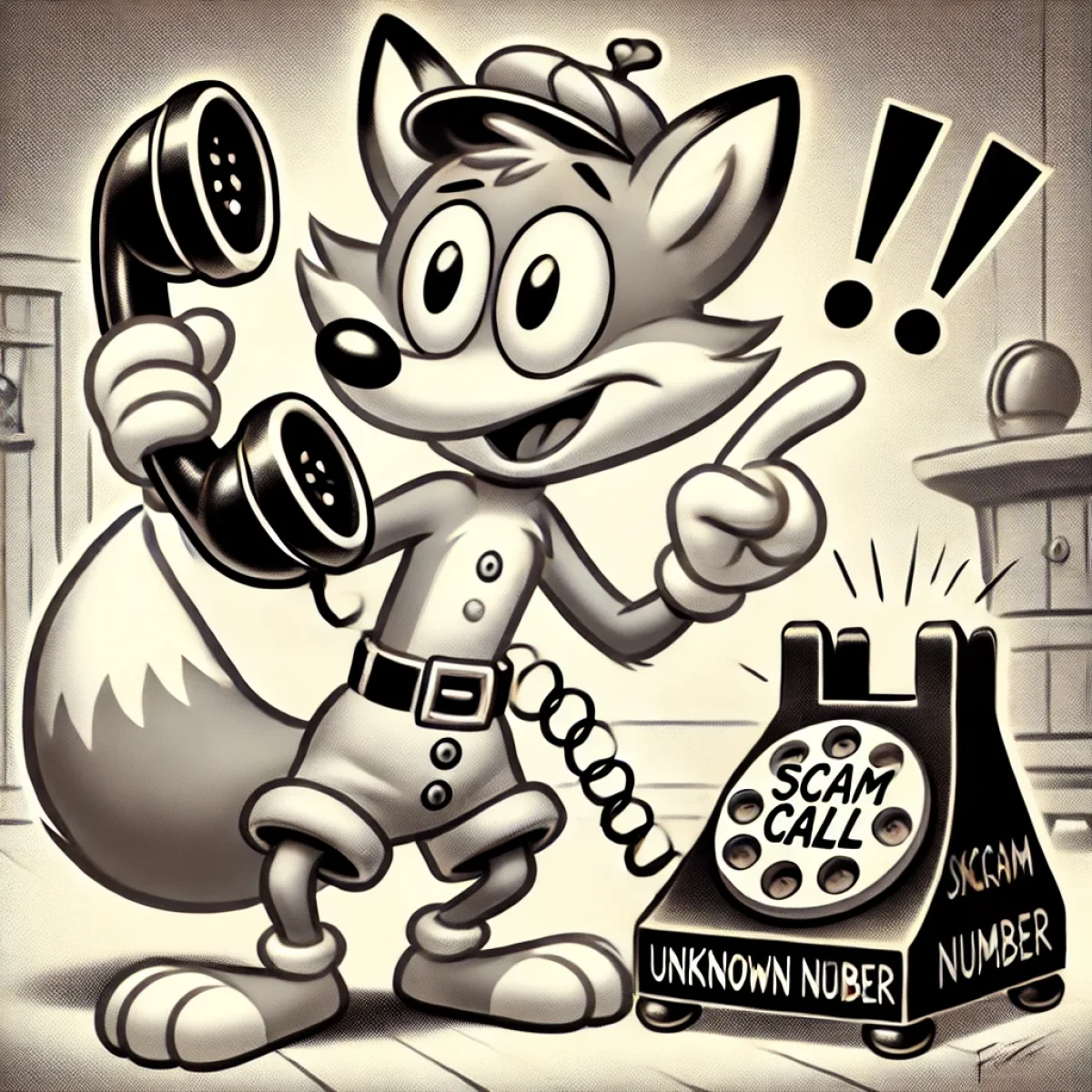
You match on a dating app. They message within 30 seconds. Their profile is attractive. Your profile is... well, normal. Why are they interested in you specifically? You do not think about it. You are flattered. You message back. They respond immediately. All day, you message. All night, you message. By day 3, you are messaging more than you message real friends. By week 2, they tell you they love you. By week 4, they want to meet in person. But something comes up. A work crisis in Dubai. A visa issue with their passport. A family emergency in Nigeria. They cannot meet you. But they are stuck. They need money. They need $5,000. They will pay you back when they arrive. You believe them because they have spent 30 days building your trust. You transfer $5,000. Three days later, another emergency. They need $10,000 more. And then another scammer takes over the account. And suddenly you realize: you were never talking to a real person. You were talking to a team of scammers who specialize in psychological manipulation and financial exploitation.
The Romance Scam Economy: $1.3 Billion Per Year
Romance scams are the most profitable scam in the world. More profitable than phishing. More profitable than ransomware. Why? Because they exploit human emotion instead of just human error.
In 2024, romance scams generated $1.3 billion in losses globally. Average loss per victim: $7,400. But many victims lose $50,000, $100,000, even $500,000 before they realize they are being scammed.
Unlike other scams, romance scams have repeat victims. People who get scammed once often get scammed again within 6 months. Why? Because the scammers keep their personal information and pass it through the network. A scammer in Nigeria will sell your information to a scammer in the Philippines. Both target you. Both use the same emotional manipulation tactics.
Romance Scam Statistics (2025):
- $1.3 billion lost annually
- Average victim loss: $7,400 (but median is much higher when repeated targeting included)
- 1 in 40 dating app users will encounter a romance scammer
- Women ages 40-69 are most targeted demographic
- Men are becoming increasingly targeted (same tactics, different profile photos)
- 90% of victims never report the scam (shame)
- Victims who report: average 18% recovery rate
The Anatomy of a Romance Scam: How It Actually Works
Phase 1: The Profile (Hours)
Scammer creates a fake profile using stolen photos of an attractive person (often a model or celebrity). Profile is designed to appeal to a specific demographic (if targeting women 50+, they use photos of a successful businessman in his 50s). Profile has few details (scammers avoid specifics that can be verified). Profile is strategically placed on popular dating apps.
Phase 2: The Hunt (Minutes)
Scammer searches for profiles of lonely, vulnerable people. They look for specific signals: recent divorce, loss of spouse, people who mention loneliness in their profile. Scammer sends a highly personalized first message (not "Hey," but something specific to the victim's profile). Response rate is high because the message feels genuine.
Phase 3: The Relationship (Days 1-30)
Scammer messages constantly. Early morning. Late night. Throughout the day. They build rapport. They ask about the victim's life. They share (fake) details about their own. They use love-bombing. "You are so beautiful." "I have never met anyone like you." "I think I am falling for you." They move the relationship fast. Day 10: "I love you." Day 20: "I want to marry you." This pace feels abnormal, but lonely people rationalize it ("Maybe this is just how people in love act").
Phase 4: The Setup (Days 31-40)
Scammer introduces an obstacle. "I want to meet you, but I have a work contract in Saudi Arabia. I cannot leave until I fulfill my obligation." Or: "My ex-wife is making visa issues in court. My lawyer says it will cost $15,000." Or: "My father had a heart attack. My family needs money for surgery." The obstacles are always expensive and time-sensitive.
Phase 5: The Ask (Day 41)
"I need $5,000. I can borrow it from you. I will pay it back as soon as I arrive in the US. I trust you completely. No one else I can ask." The victim sends the money. They rationalize it. "Love requires sacrifice. If I cannot help the person I love, what kind of person am I?"
Phase 6: The Escalation (Days 42-60)
Obstacle is not resolved. Another crisis emerges. "The surgery was more expensive than expected." "My contract was extended, and I need a visa update fee." "My company owes me a bonus, but I need $10,000 to secure it." Each ask is larger. Each ask is more urgent. At this point, victims are emotionally invested. They have already given money. Giving more feels like protecting their investment.
Phase 7: The Breaking Point (Day 61+)
Victim finally asks to meet in person. Scammer cannot (the whole relationship was fake). Victim finally asks for video call. Scammer avoids (they do not have the face of the person in the photos). Victim finally Googles the photos. They are from a Instagram model's account. Victim realizes they have been scammed. Total loss: $25,000-$100,000+.
Why Romance Scams Work Against Smart, Successful People
The victims of romance scams are not stupid. They include doctors, lawyers, businesspeople, engineers. Highly educated. Highly successful. Yet they send thousands of dollars to someone they have never met.
Why does intelligence not protect you from romance scams?
Reason 1: Love Bypasses Logic
When you are in love, the amygdala (emotion center) of your brain is active. The prefrontal cortex (logic center) is less active. You are literally not thinking rationally. This is not a personal failure. It is neuroscience.
Reason 2: Loneliness Is Powerful
People who have experienced significant loss (divorce, death of spouse, long-term unemployment) are particularly vulnerable. They are not vulnerable because they are weak. They are vulnerable because loneliness is a form of psychological pain. Scammers exploit this pain.
Reason 3: Sunk Cost Escalation
The more money you invest, the more likely you are to continue investing (sunk cost fallacy). After sending $5,000, sending another $10,000 feels like protecting the first $5,000. You are trying to make the initial investment pay off.
Reason 4: Cognitive Dissonance
Your brain refuses to accept that you could have been scammed. Accepting it means accepting that you were fooled. Your judgment was wrong. You made a terrible mistake. Your brain protects you from this realization by rationalizing the behavior ("They are really going to pay me back" or "These delays are just temporary").
Red Flags That Indicate You Are Being Romance Scammed
Early Warning Signs (Days 1-20):
- They match you and message immediately (real people take time)
- Their profile has very few details or professional photos only
- They ask you to move off the dating app to text/email/WhatsApp quickly
- They avoid video calls or always have excuses (camera broken, no signal)
- They say "I love you" or "I think I am falling for you" in first 2 weeks
- They share very personal, emotional stories quickly (designed to build trust)
- They ask personal questions to identify vulnerabilities (divorce, loss of spouse, loneliness)
Escalation Warning Signs (Days 21-40):
- They introduce obstacles to meeting in person (always a reason why they cannot meet now)
- They start talking about money or financial situations
- They ask you personal financial questions ("How much money do you have saved?")
- They start making plans to meet, asking for details about your life/savings that might be relevant to scamming
- They talk about the future together (marriage, moving in) despite never meeting
Scam Warning Signs (Days 41+):
- They ask for money (always "temporary" and "will pay back")
- They ask for money in specific ways (wire transfer, cryptocurrency, gift cards)
- They avoid direct video calls but suggest phone calls (can be faked with software)
- When you ask to meet, they have a new excuse
- When you ask to video call, they have technical issues
- Stories become more elaborate and emotional (designed to create urgency)
- You find their photos on Google Images (they are stolen)
How To Protect Yourself From Romance Scams
Rule 1: If You Have Not Met in Person, Do Not Send Money. Period.
This is the only rule you need. No matter what the reason. No matter how much they claim to love you. No matter what emergency they face. If you have not met in person, do not send money.
Rule 2: Verify Phone Numbers and Profiles
Use Reverse Number Check to verify any phone numbers they give you. If a number comes up as spam or associated with scams, end the relationship immediately. Check their photos on Google Images. If their photos appear elsewhere (dating sites, Instagram), they are fake.
Rule 3: Demand Video Calls
Real people can do video calls. If someone has endless excuses for why they cannot video call, they are not real or they are not who they claim to be. End the relationship.
Rule 4: Ask Detailed Questions
Ask them questions that require real knowledge. "What is your favorite childhood memory?" "Tell me about your first job." Scammers will give generic answers or make things up. Real people have specific, detailed memories.
Rule 5: Meet in Person Before Investing Emotionally
If someone truly cares about you, they will make time to meet. Do not wait months or years. Meet within 4-6 weeks or move on. A real relationship requires in-person interaction.
If You Have Already Been Romance Scammed
First: you are not alone. 1 in 40 dating app users encounter romance scammers. You are not stupid. You are not weak. You were manipulated by professionals.
Immediate Actions:
- Block the account immediately
- Report the profile to the dating app
- If you sent money via wire transfer or cryptocurrency, contact law enforcement immediately (2-4 hour window to potentially recover)
- Report the scam to the FTC (USA), Action Fraud (UK), or your country's fraud agency
- File a report with your bank
- Monitor your credit for identity theft (they have personal information about you)
- Report the person's number on Reverse Number Check
Medium-Term Actions:
- Consider therapy to process the emotional trauma (this is real trauma)
- Be aware that you may be re-targeted by other scammers (your information is in the network)
- Update your privacy settings on social media
- Be cautious about who you trust with personal information going forward
Romance Scams Exploit Love. But You Can Protect Yourself.
One rule: if you have not met in person, do not send money. Use Reverse Number Check to verify phone numbers and profiles. Report scammers to protect others. Remember: you are not stupid. You are human. Scammers are professionals at manipulation.


